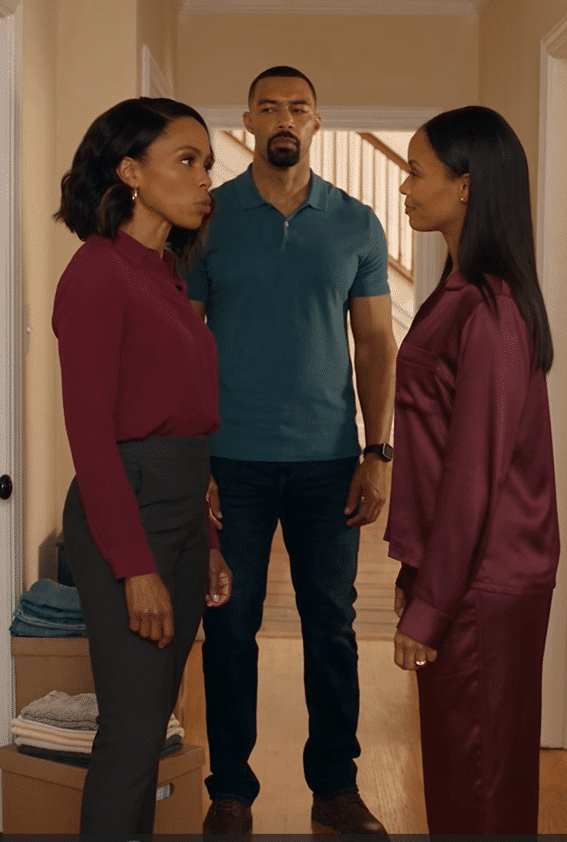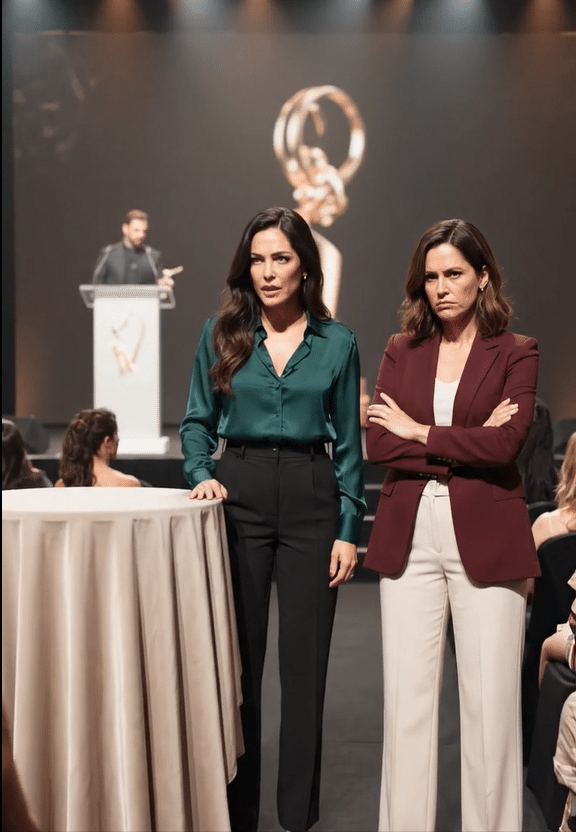
The ballroom remained silent after Mother’s confession. Sofia said she surrendered college because Mother promised her half the shop once it recovered. I had always believed an insurance settlement supplied the rescue money, so I asked why neither woman told me before I signed the debts and worked fourteen-hour days.
Mother admitted she feared I would reject money tied to conditions. She also feared Sofia would leave during rehabilitation. By disguising the fund as insurance, she kept one daughter nearby and pushed the other into rebuilding the business. Her decision created the success we celebrated and the resentment now destroying it.
I asked Sofia whether that justified sending edited audio to Paris. She said polite requests had produced promotions and salary, never authorship. Still, Victor demanded the complete recording. Alma remembered that company meetings automatically synchronized to an archive Sofia could view but not delete.
Our technician opened the archive before everyone. The missing section captured me refusing automation, protecting all forty-two jobs, and telling investors Paris mattered only if our seamstresses remained. Victor immediately confirmed the accusation had materially misrepresented my position.

Then we compared the old sketchbook with Mother’s rehabilitation records. The first five designs were genuinely Sofia’s. I had unknowingly adapted them, but every later collection—including the five Sofia had just sold—was mine. Both sisters had been used once and had now repeated the same theft against each other.
I addressed the employees directly. I accepted responsibility for benefiting from work whose author I never verified. I offered Sofia public co-credit and royalties on the founding collection, plus repayment of her original sixty thousand with interest. I refused to surrender half a company she had neither legally owned nor helped operate for six years.
Sofia rejected the offer until Victor explained her new contract created impossible delivery deadlines and severe penalties. The deposits had already been spent on a factory that could not meet bridal quality standards. Canceling would threaten jobs, but continuing would bury both labels in returns and debt.
I proposed one solution: suspend the award, disclose the dispute, refund buyers who wanted out, and let an independent audit separate Sofia’s contribution from mine. Sofia would resign from communications during review, while I would temporarily surrender sole design approval. Neither of us would control the evidence.
Mother tried calling that humiliation. Alma answered that secrecy had humiliated the workers, not transparency. Sofia finally agreed after the seamstresses refused to produce either collection until both sisters signed protections for wages and attribution.
The audit confirmed Sofia’s five original sketches and my ownership of every later pattern. Paris reinstated negotiations after hearing the full recording, but I delayed expansion until the deposits were resolved. The awards committee withheld the trophy that year, a consequence I accepted.
Sofia received credit, royalties, and repayment, but not half the company. She pleaded guilty in civil mediation to misusing confidential designs and paid damages through her royalties. I did not fire her publicly; she left the business and enrolled in design school using money she could finally call her own.
Mother apologized without asking us to reunite. I paid for professional care rather than making either daughter responsible. Months later Sofia and I attended mediation as sisters, not partners. Forgiveness remained uncertain, but ownership, labor, and truth were finally named correctly.
Before any announcement, we met each buyer personally. Some canceled, while others stayed after seeing the audit schedule, protected payroll account, and complete design history. I published a correction naming Sofia as co-creator of the founding collection and myself as author of subsequent work. The statement cost sponsorships, but it stopped rumor from becoming permanent history.
At design school, Sofia later presented her original five gowns beside five new pieces created without my archive. I attended quietly from the back row. She did not thank me, and I did not expect it. Afterward she returned Mother’s old sketchbook, keeping certified copies of her pages. We agreed that neither sister would ever again need another person’s silence to make her own work visible.
The final audit matched every surviving sketch to fabric invoices, dated photographs, and payroll records. Rosa signed a sworn correction admitting she had moved the college money without either daughter’s informed consent. Victor placed the Paris order in escrow until every buyer received the corrected ownership history. That independent paper trail mattered more than any apology because it protected the workers whose livelihoods Sofia and I had both endangered.